The Phenomenon of Alexandrite Gemstone
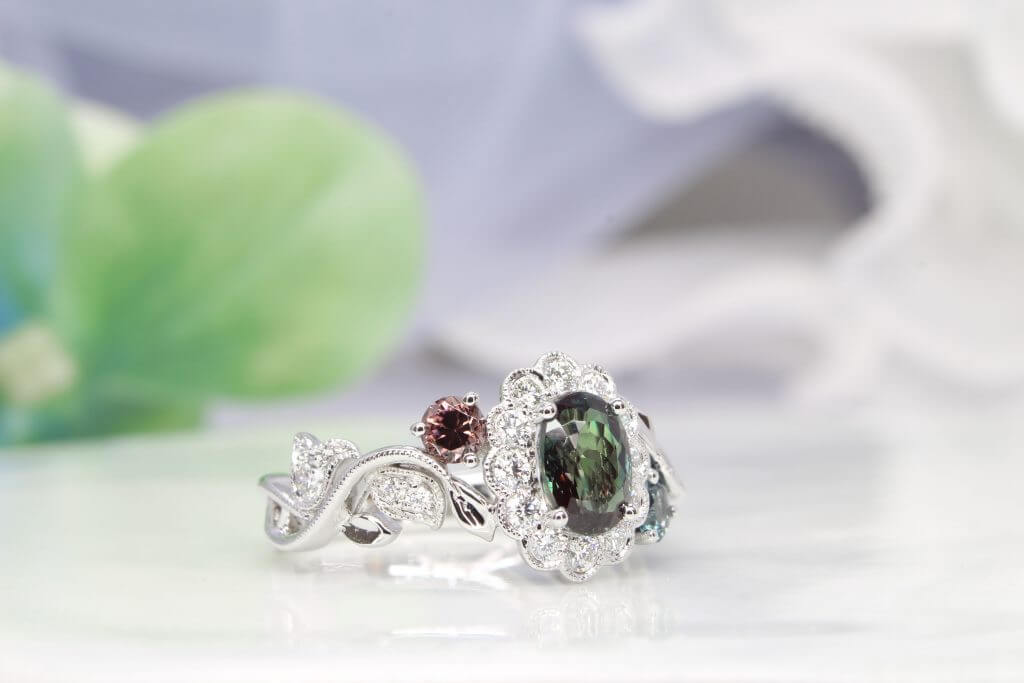
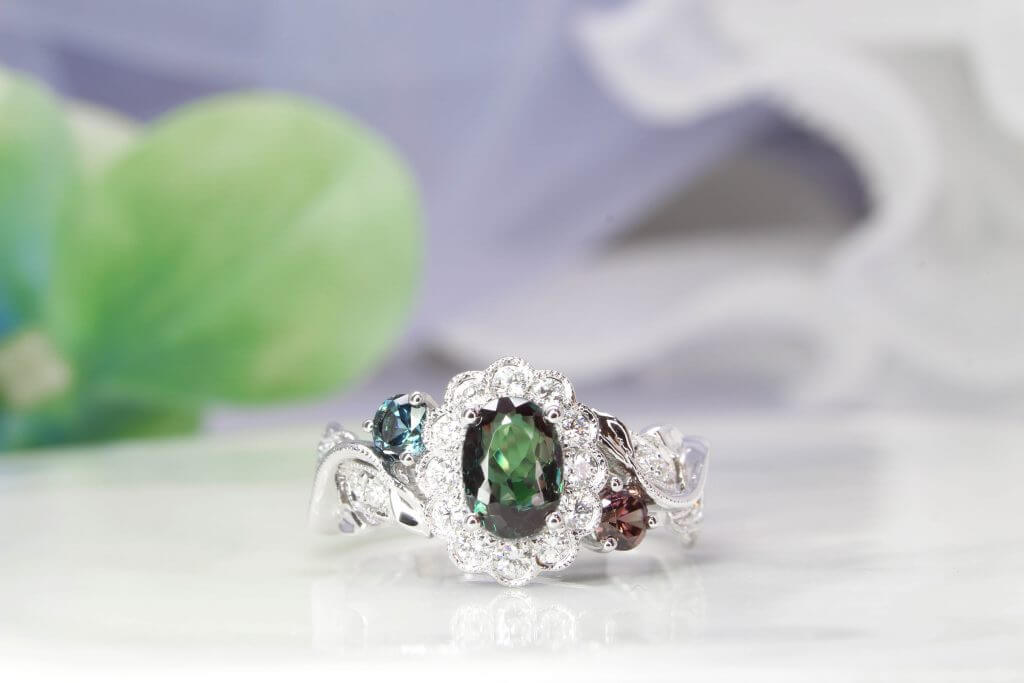
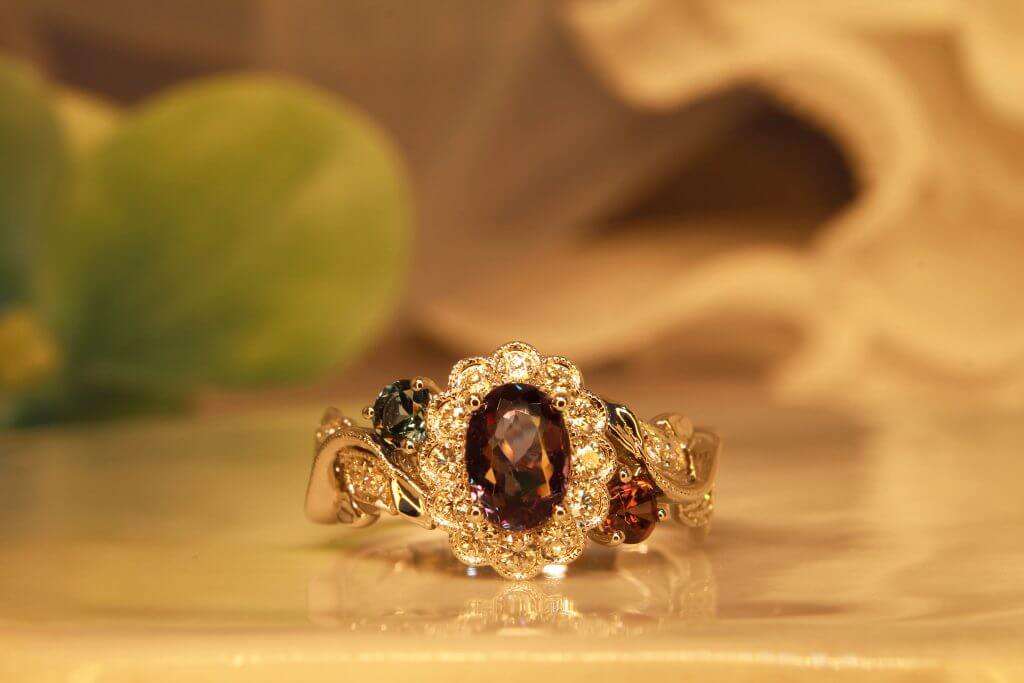
Often described as “Emerald by day, Ruby by night,” the Alexandrite gemstone is the most famous and valuable variety of the chrysoberyl mineral family. Its fame comes from a rare optical phenomenon known as the “Alexandrite Effect”—a dramatic shift in colour depending on the nature of ambient lighting. This unique characteristic makes it a treasure among gem collectors and connoisseurs who value rarity above all else.
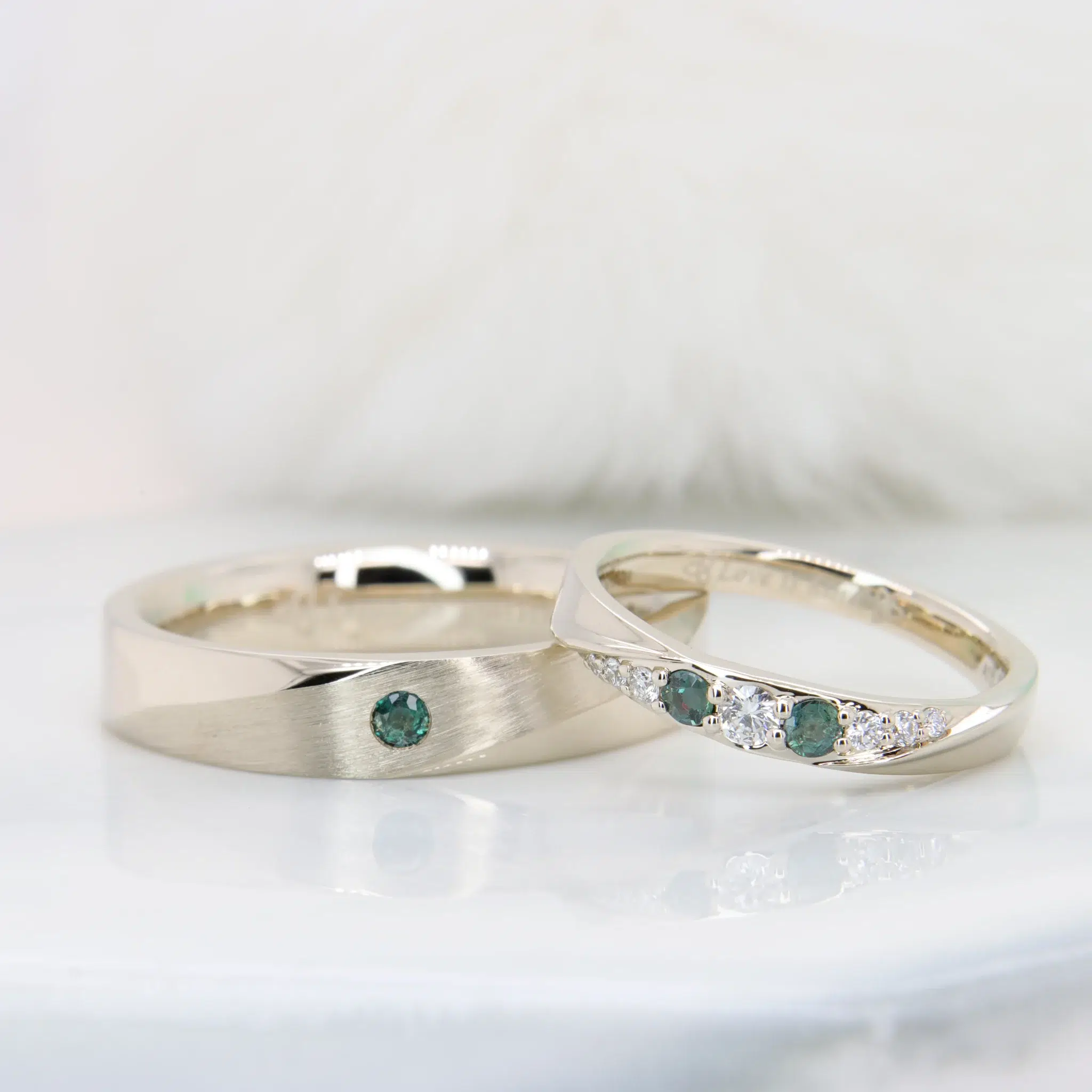
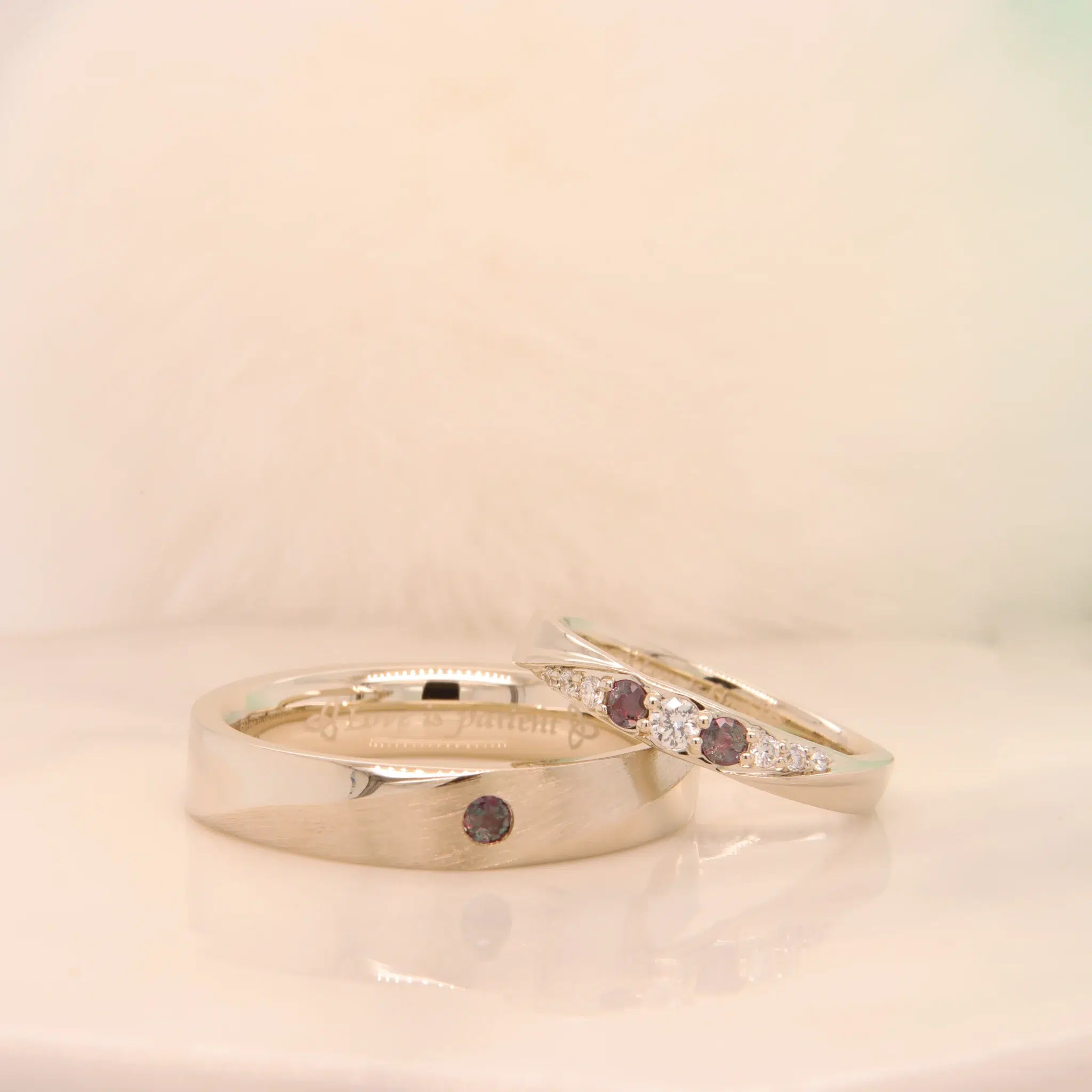
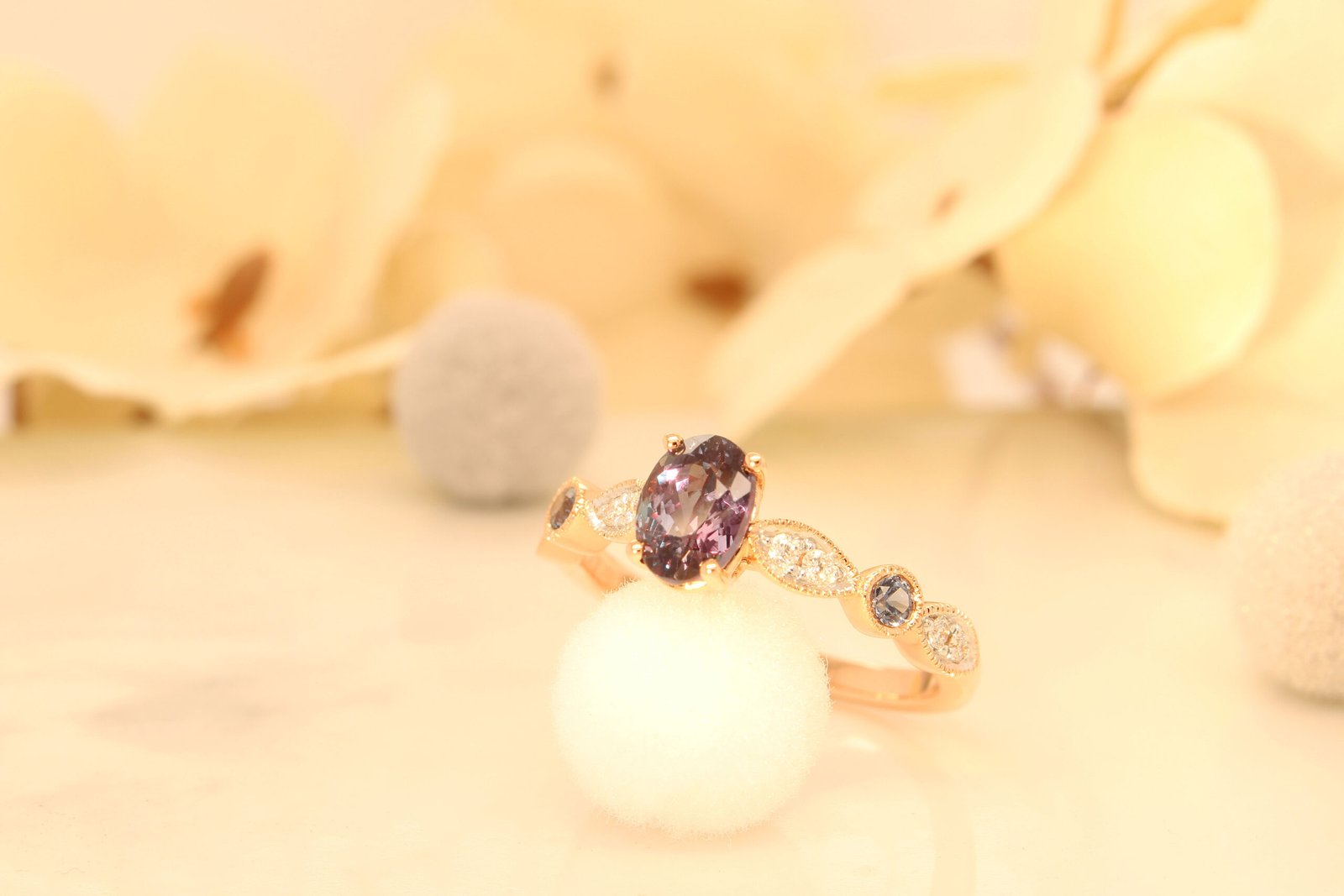
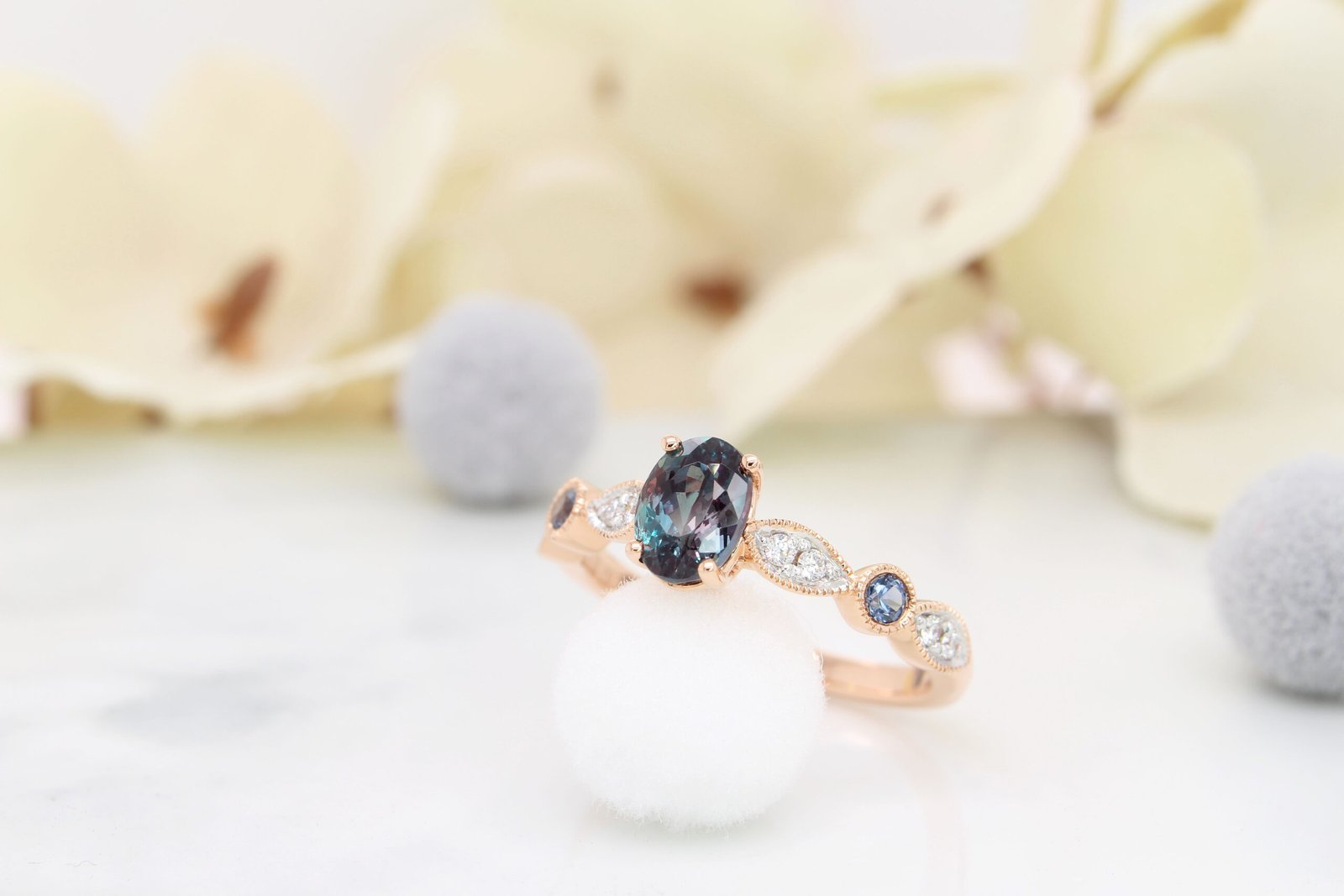
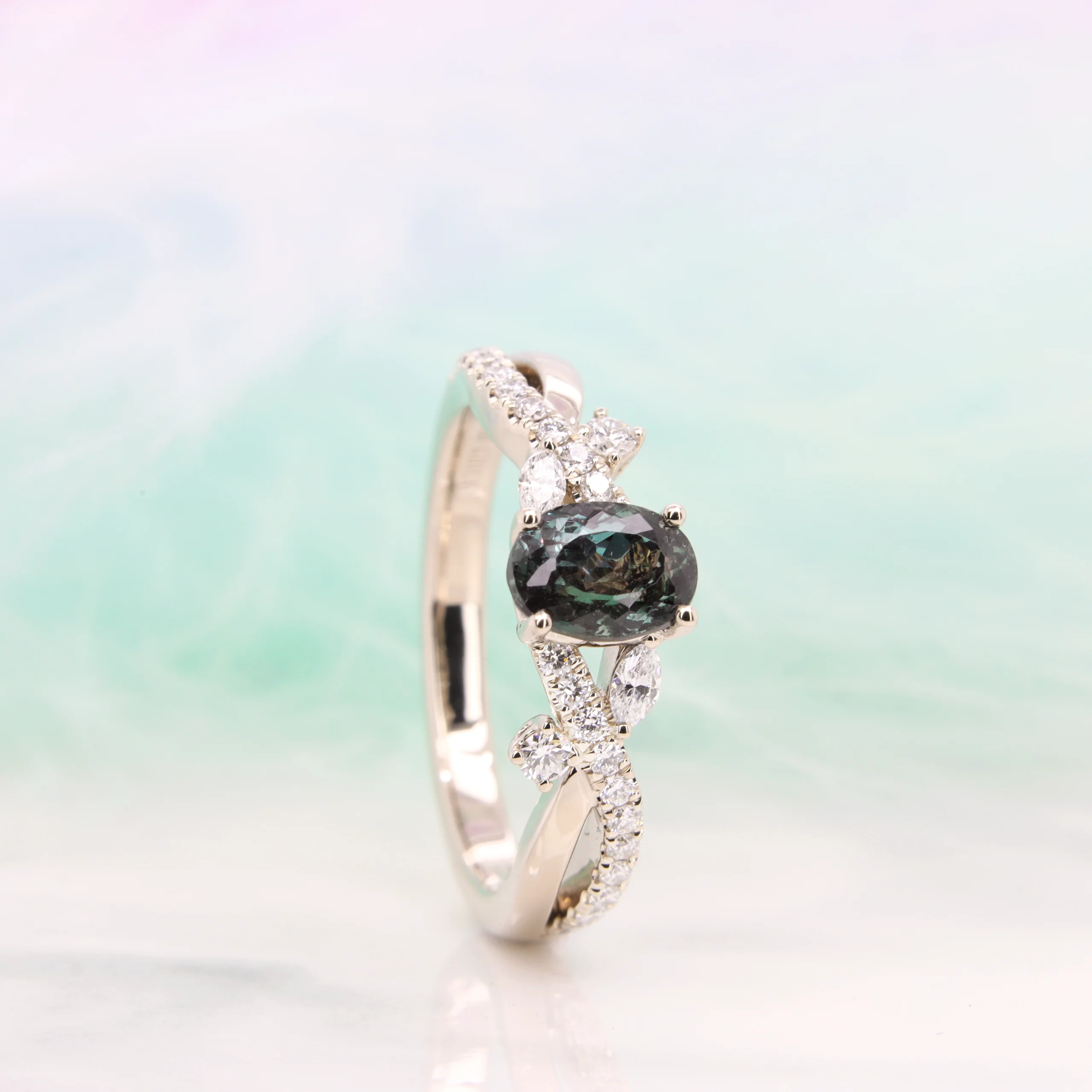
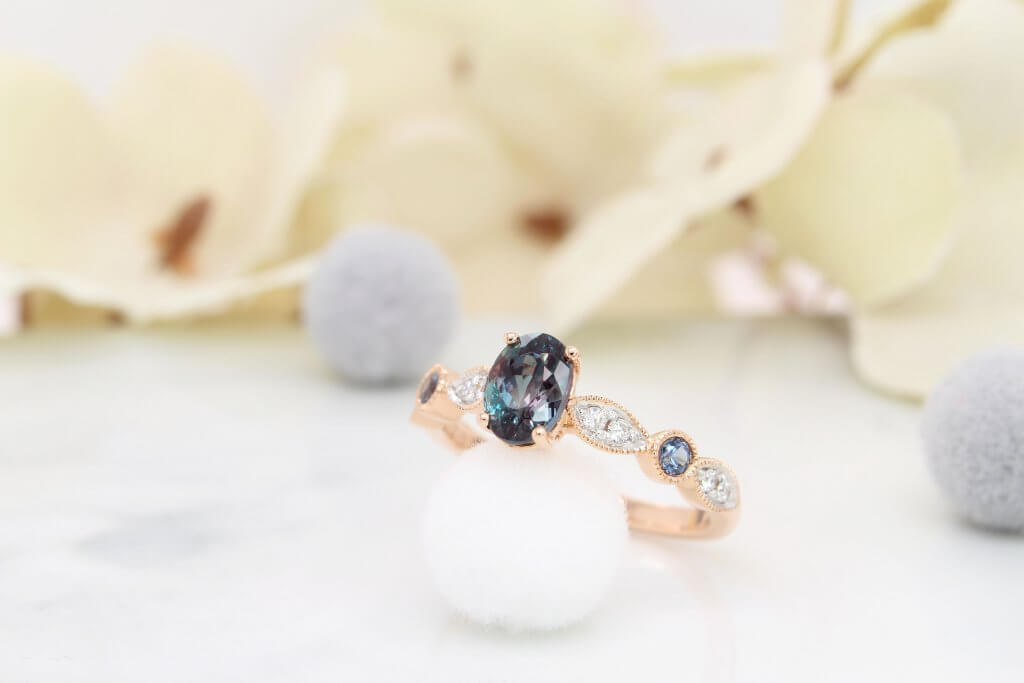
Unlike other colour-change gems which may show a subtle shift, top-investment grade Alexandrite displays a distinct transformation: appearing a lush, mossy green or teal under natural fluorescent daylight, and switching to a warm raspberry red or purplish-ruby hue under incandescent (tungsten) light. This duality arises from trace chromium—the very same element that breathes green into emeralds and red into rubies.
Alexandrite Gemstone Jewellery
Origins: Russia, Brazil, and Beyond
The history of Alexandrite is as dramatic as its colour. Originally discovered in the Ural Mountains of Russia in the 1830s, it was named after the future Tsar Alexander II. These original Russian stones set the global benchmark for quality, exhibiting a vivid 100% colour change from emerald green to ruby red. However, the Russian mines were largely depleted by the late 19th century, making authentic Russian Alexandrite exceptionally rare in today’s market.
In 1987, a significant new deposit was discovered in Hematita, Brazil. These Brazilian stones are widely considered the finest available today, often rivalling the original Russian gems in their colour intensity and clarity. While Alexandrite is also mined in Sri Lanka (Ceylon) and East Africa (Tanzania and Madagascar), stones from these regions often display a “muddy” or brownish modifier, lacking the crisp teal-to-red shift found in Brazilian or Russian specimens.
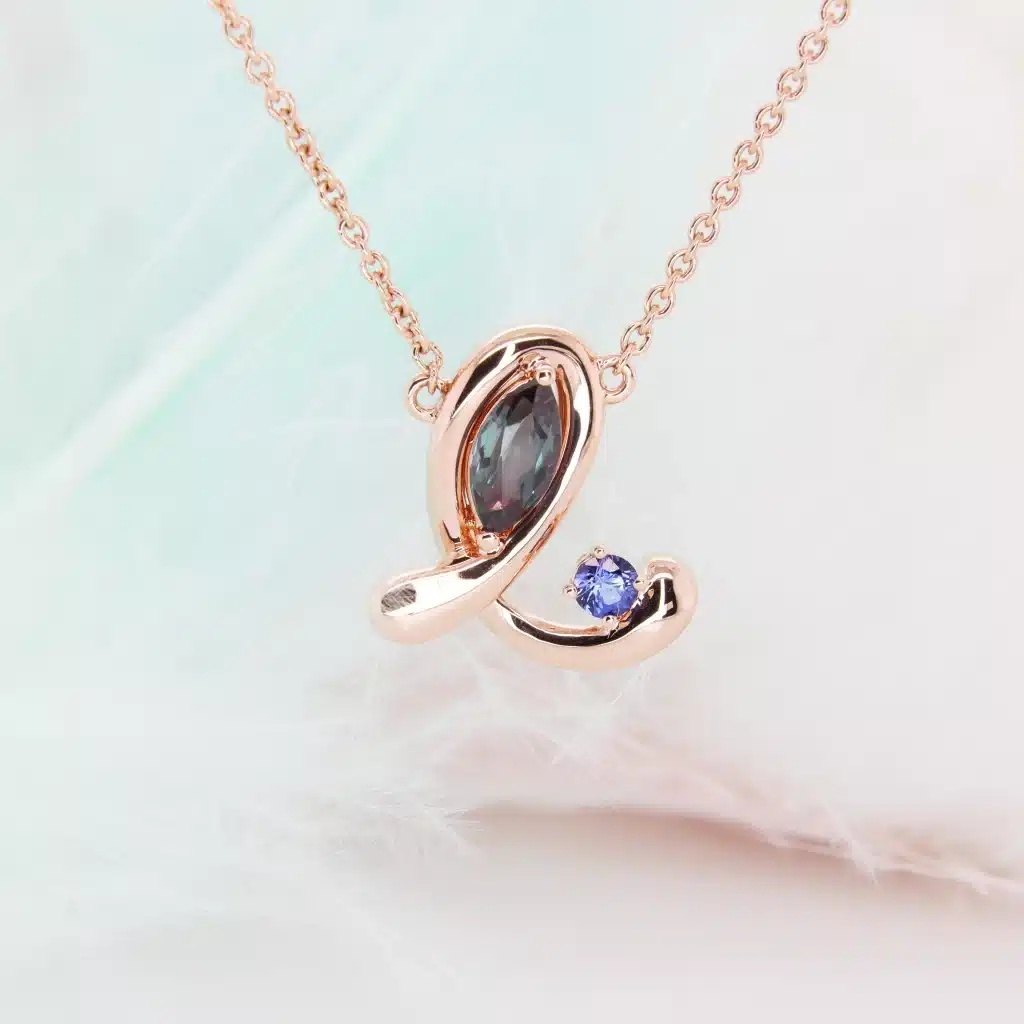
From the Source to Your Collection
Unlike commercial retailers, GIOIA maintains a Private Vault of loose Alexandrite gemstones directly sourced from these top mines in Brazil and Russia.
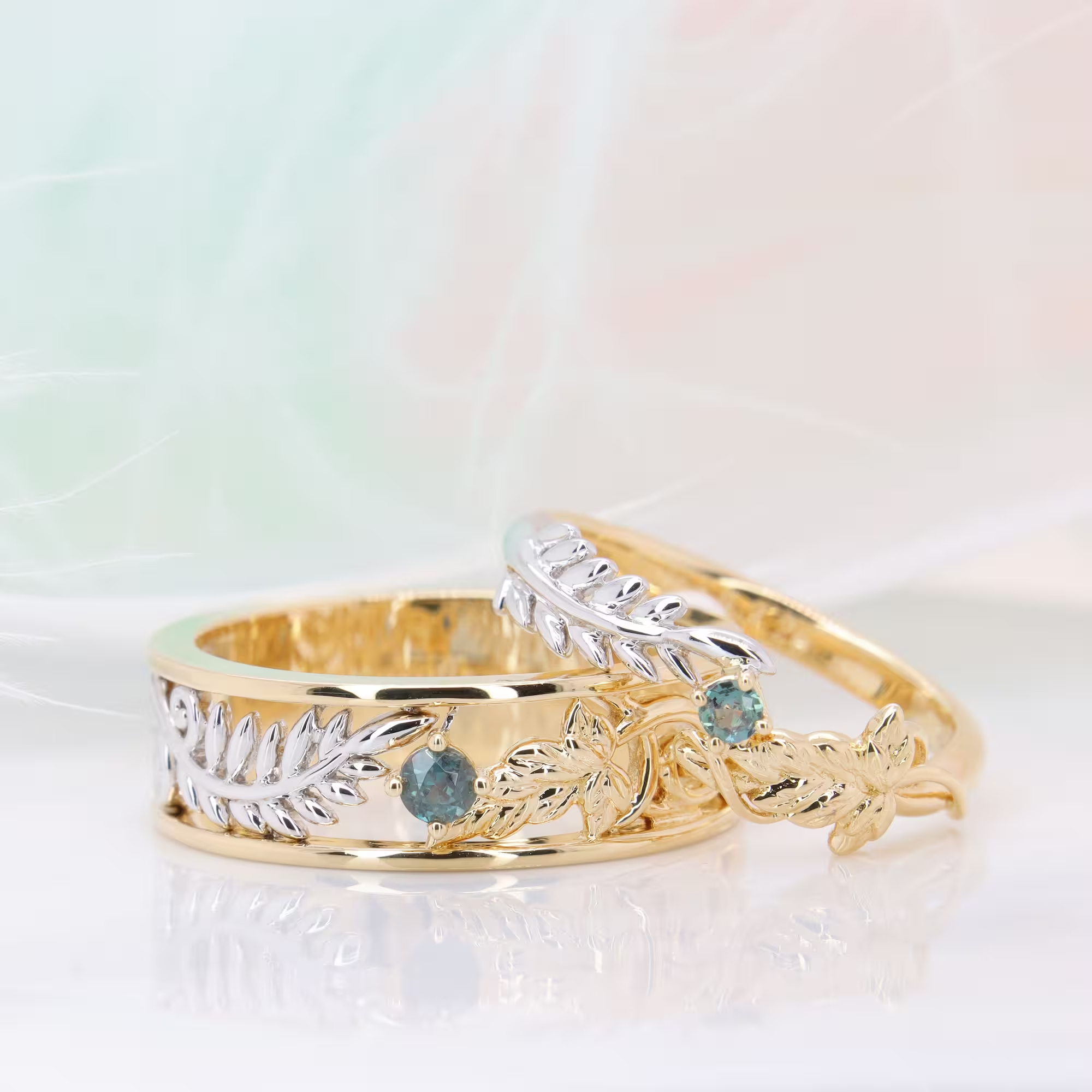
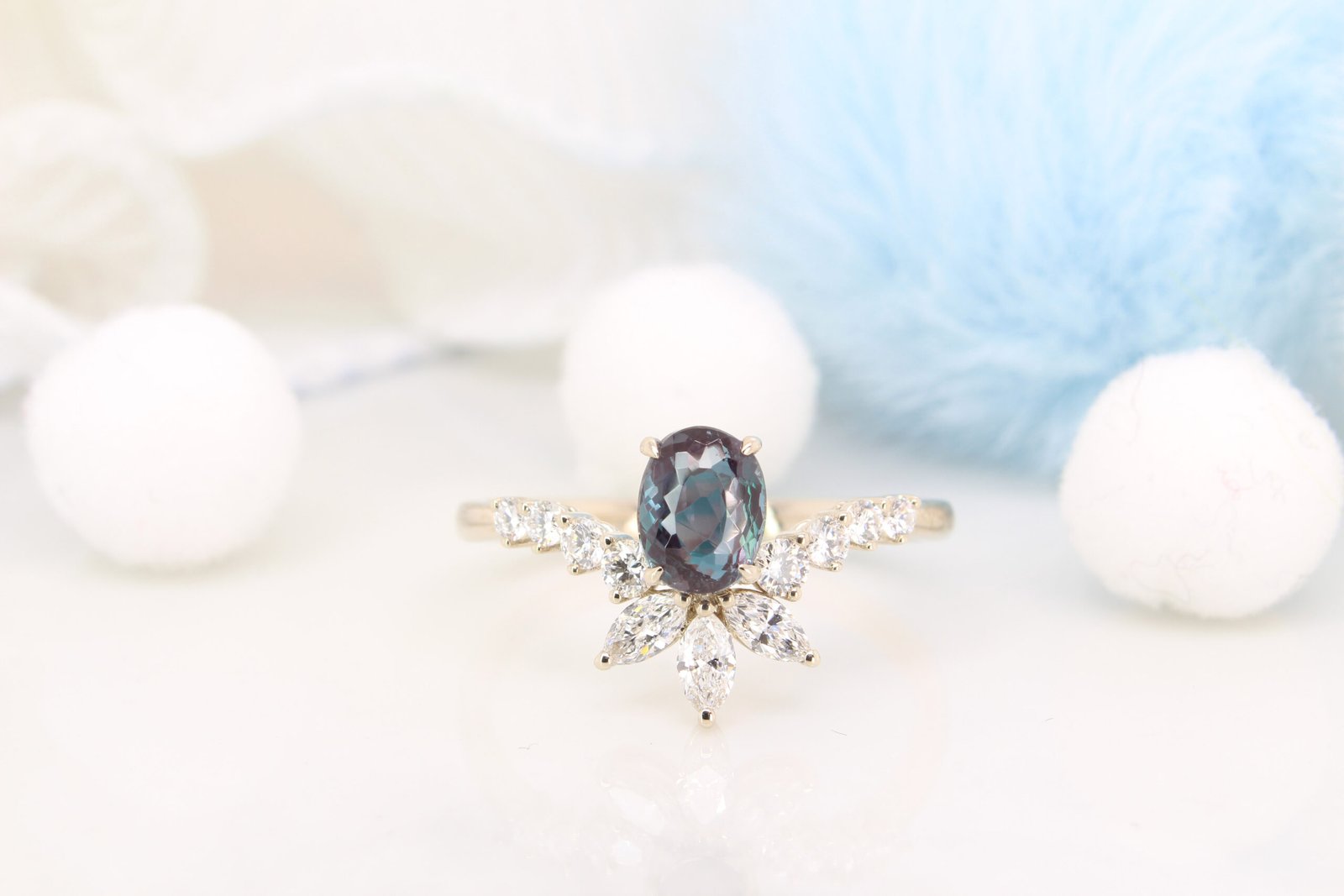
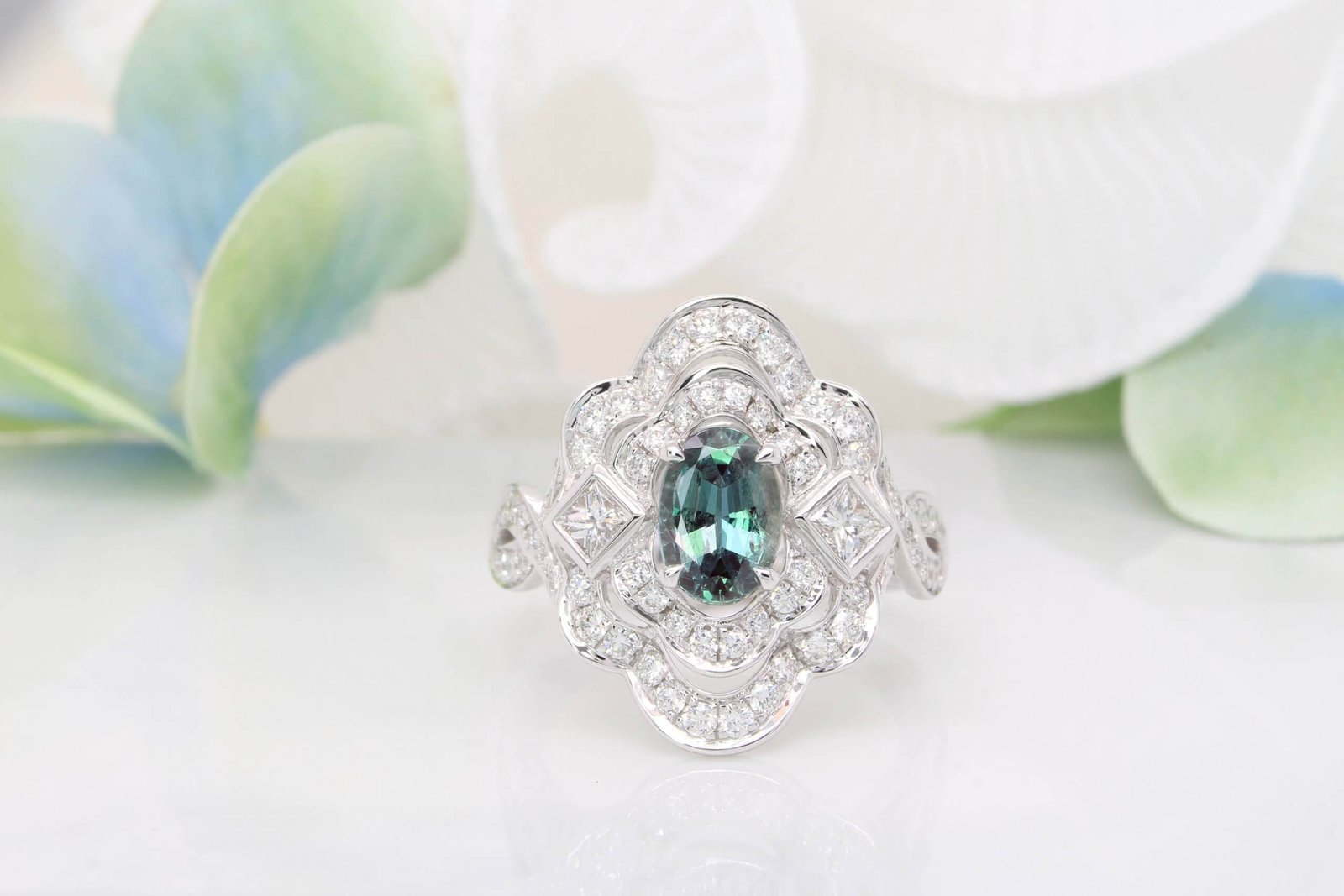
Note: The gallery below showcases bespoke commissions created with our stones. While these specific designs are sold, we have a curated selection of loose Natural Alexandrites available for your bespoke journey.
The 4Cs: Grading Alexandrite Quality
When selecting a rare gemstone like Alexandrite, standard diamond grading does not apply. The value is driven almost entirely by the strength of the colour change.
Colour Change Strength
The primary value factor is the percentage of the shift. A top-quality gem will show a 100% change from pure green to pure red. Gems with a 40-50% shift are more common but less valuable. The colours should be saturated and distinct, without grey or brown undertones.
Clarity and Inclusions
Alexandrite is a Type II gemstone, meaning it naturally occurs with some inclusions. While eye-clean stones are preferred, slight inclusions are acceptable if they prove the stone’s natural origin—helping gemologists distinguish them from the many synthetic lab-grown alternatives flooding the market. However, heavy inclusions that obscure the colour change will significantly lower the value.
Cut (Shaping the Light)
Shaping an Alexandrite is a high-stakes calculation. The master lapidary must orient the crystal axis perfectly—not just to retain carat weight, but to eliminate the yellowish tones caused by the gem’s natural pleochroism. At GIOIA, our curated gems are faceted to ensure the face-up chromatic shift, from pure green to red, is absolute and unclouded.
Carat Weight & Investment Value
Due to the scarcity of rough material, finding fine-quality Alexandrite over 1.0 carat is a significant challenge. The per-carat price of a high-quality Alexandrite often exceeds that of diamonds, emeralds, and rubies. It is a stone for the true collector—an asset that combines historical romance with geological rarity.
Authenticity, Synthetics & Market Rarity
Synthetic vs. Natural Alexandrite
Due to the immense value and scarcity of natural Alexandrite, the global market is heavily saturated with synthetic and lab-grown alternatives. While these synthetics can mimic the dramatic day-to-night colour shift, they are mass-produced and hold far less intrinsic or collector value. At GIOIA Fine Jewellery, our strict sourcing parameters ensure that we specialise exclusively in natural, unheated coloured gemstones, avoiding synthetic or treated counterparts entirely.
Verifying Authenticity & Certification
Given its prestige, an authentic Alexandrite should always be accompanied by certification from a recognised, reputable gemological institute, such as the Gemological Institute of America (GIA), or a trusted independent local gemological laboratory. This report provides a vital, detailed analysis of the gem’s natural origin, the presence and strength of its unique colour change, and ensures no unnatural treatments have been applied to the stone.
Custom Alexandrite Jewellery
While Alexandrite is famous for its beauty, it is also surprisingly practical. With a hardness of 8.5 on the Mohs scale, it is one of the most durable gems, making it an excellent choice for daily wear items like a gemstone engagement ring. It resists scratches better than emeralds or tanzanites and does not require the delicate care of pearls.
For those born in June, Alexandrite serves as modern birthstone jewellery, offering a highly sophisticated alternative to pearl or moonstone. Because its phenomenal ability to shift colour is so dynamic, designing a personalised engagement ring allows us to tailor the perfect metal pairing. Rose Gold beautifully highlights the gemstone’s warm purple incandescent hues, while Platinum or White Gold strikingly accentuates its cool daylight teal tones.
Whether set in a vintage Art-Deco milgrain design or a modern solitaire, the gem serves as a conversation starter. To see how this phenomenon translates into finished jewellery pieces, you can explore our dedicated gallery of Alexandrite Colour Change Designs.