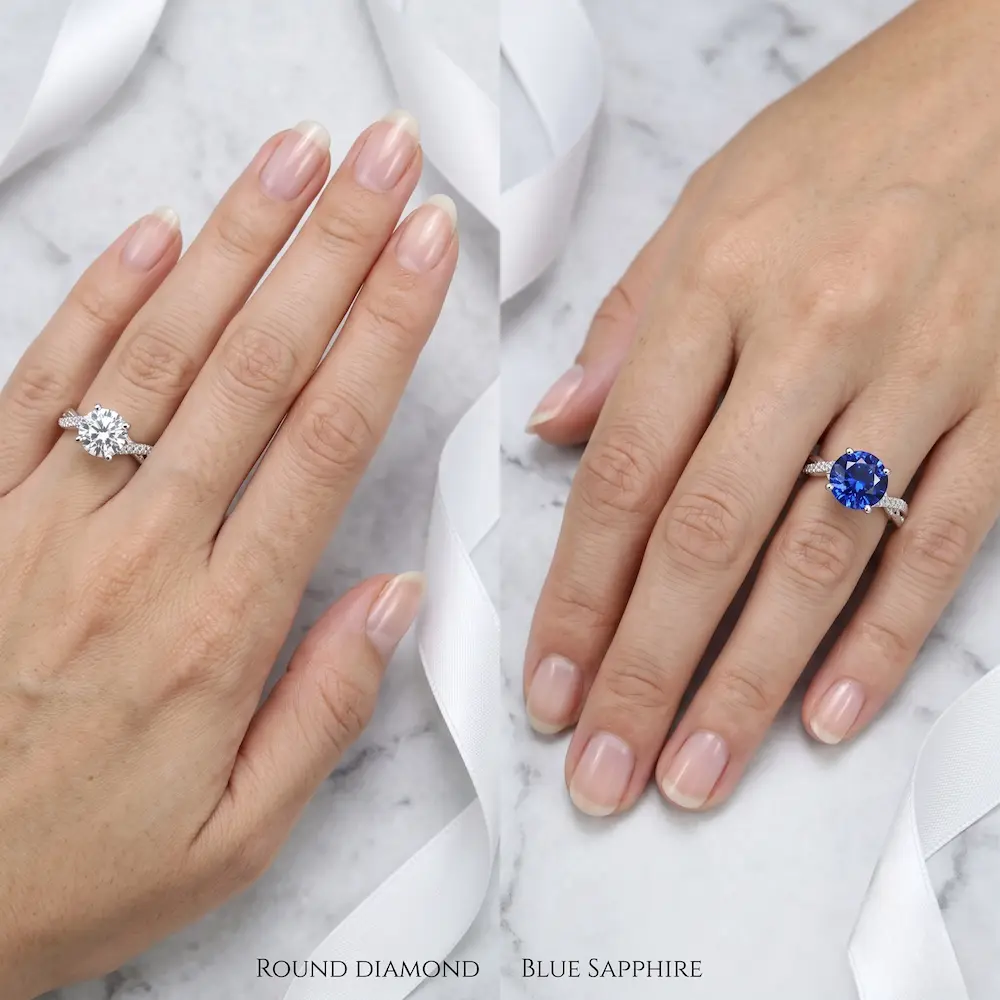
What Defines a Rare Gemstone?
Among fine luxury jewellery, rare gemstones hold a place of their own. A rare gemstone is more than a beautiful stone. The finest examples combine intense, even colour, good clarity and a cut that brings them to life, and they come from deposits that produce very little of this quality. At GIOIA Fine Jewellery, we source these gems ourselves and set them in pieces designed from scratch in Singapore.
The World’s Finest Rare Gemstones
In our experience, the finest rare gemstones have tended to rise in price over the long term, largely because of two things: shrinking supply of high quality rough and increasing demand for fine quality rare gemstone. As newer mining sites yield less, gem industry faces a tightening supply of top-grade rare gemstones, contributing to this upward price movement.
We have also noticed that owners of fine stones tend to keep them through uncertain times, while more common gemstones are easier to find and priced accordingly. None of this is a promise about the future, and we would never suggest buying a gemstone as a financial investment.
What it does mean is that a fine, certified stone, such as an unheated Royal Blue Sapphire or a Pigeon Blood Ruby, is easier to understand and value than a common one, because its report tells you exactly what it is.
Lab-grown diamonds have also changed how people think about value. As they become more common, more couples are turning to natural coloured gemstones for something genuinely rare, and the better informed buyers become, the more they look for fine, certified stones.
Exploring the World of Rare and Coveted Gemstones: A Collector’s Dream
Five names stand out among rare gemstones: unheated Royal Blue Sapphire, unheated Pigeon Blood Ruby, Muzo Emerald, Paraiba Tourmaline and Alexandrite. Each has its own history and its own reason for being scarce. Whether you are an experienced collector or choosing your first fine gemstone, each of these has a character of its own.
Royal Blue Sapphire: A Symbol of Nobility
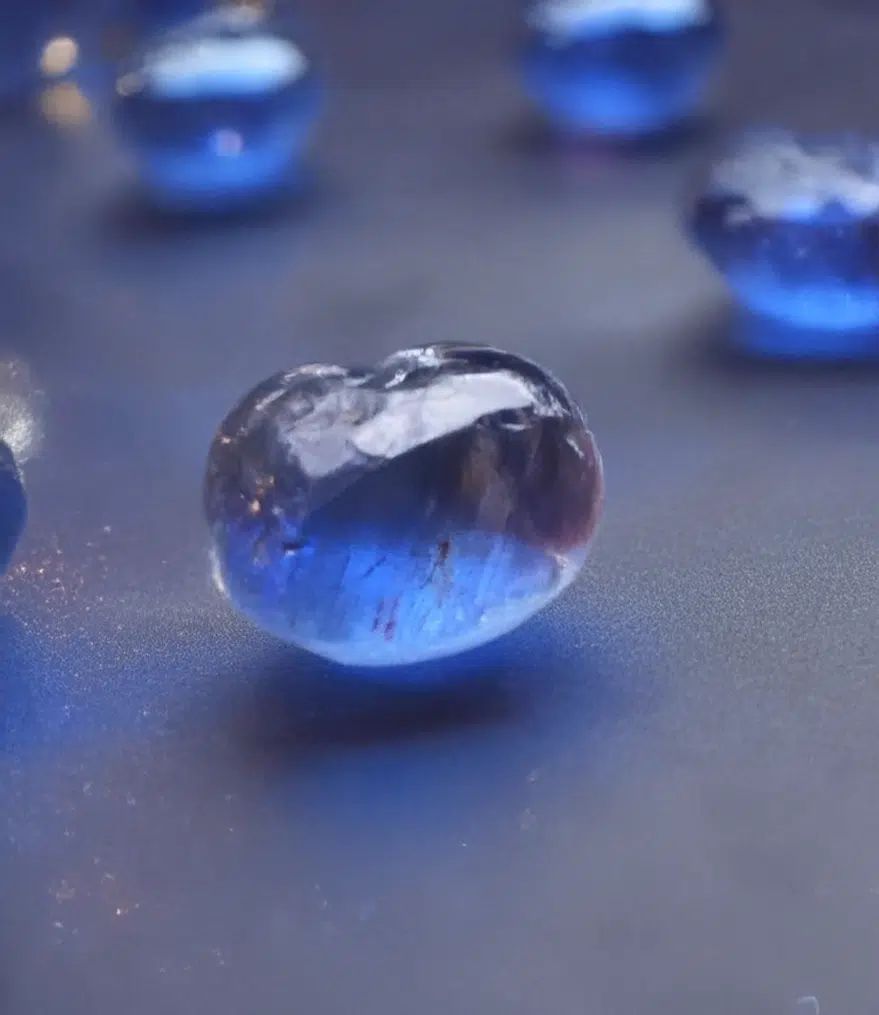
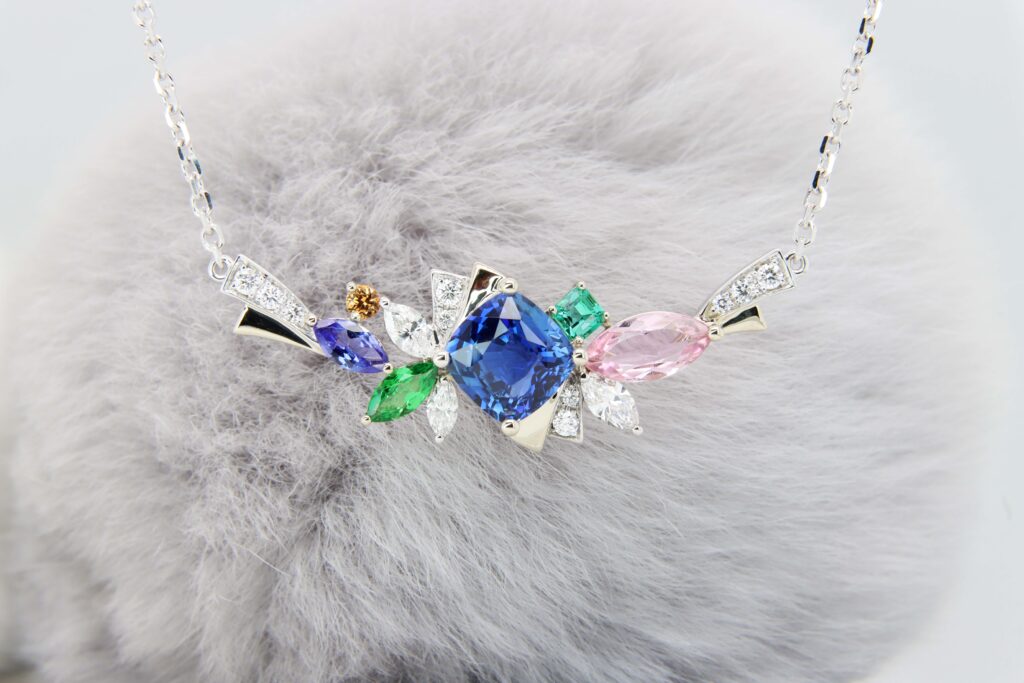
Sapphire has long stood for nobility and wisdom, and unheated royal blue sapphire has drawn far more attention in recent years. In our experience, prices for the finest unheated royal blue stones have risen noticeably, moving closer to unheated pigeon blood ruby and Muzo emerald, because very few fine unheated stones reach the market.
For buyers, that means two things. A fine unheated royal blue costs noticeably more than a heated stone that looks similar, and the laboratory report matters more than ever, because it is your proof of what you are paying for.
Pigeon Blood Ruby: The King of Red Gems
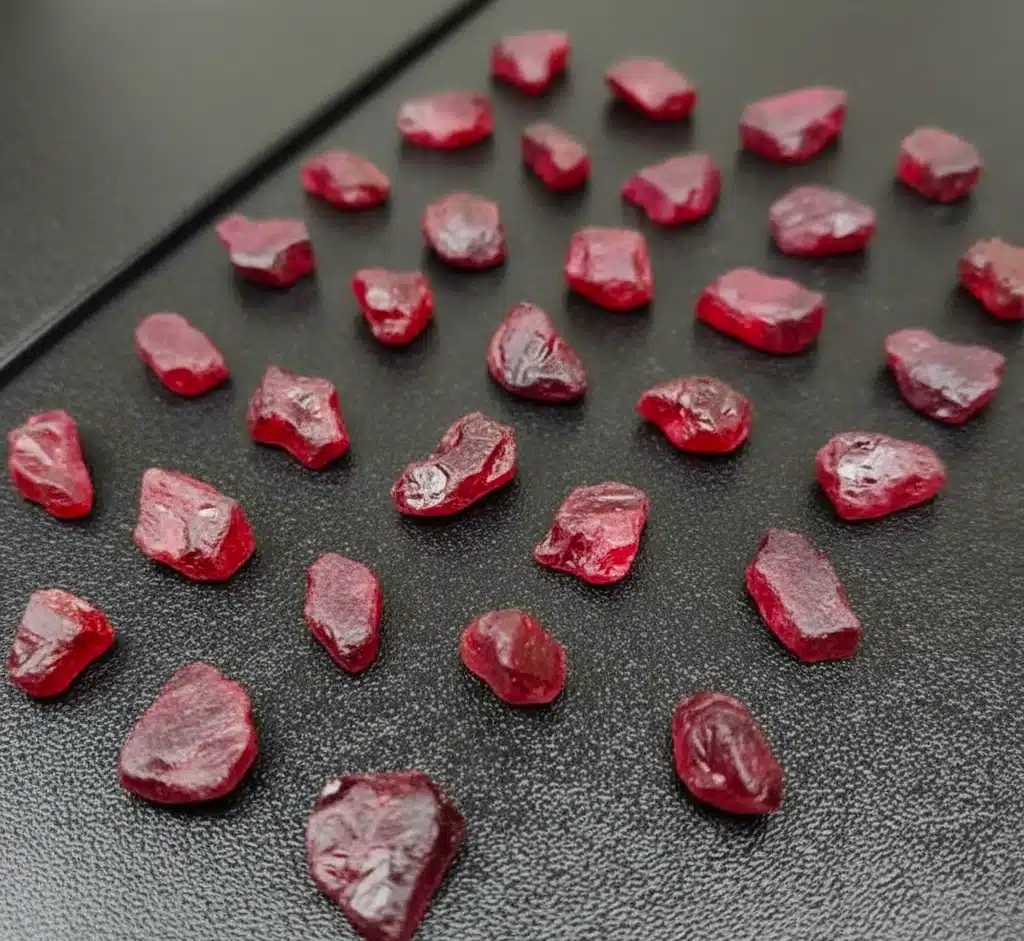
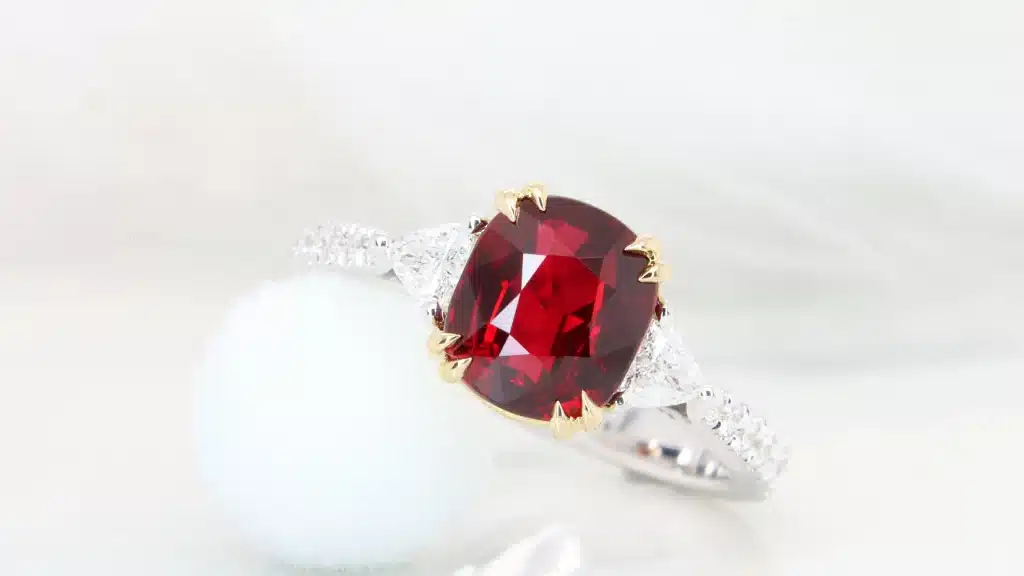
Known for its intense, vivid red, the unheated pigeon blood ruby has long been one of the most valuable gemstones in the world. In recent years the gap between demand and the supply of top-quality rough has widened further.
Much newly mined ruby is of commercial quality, so fine unheated stones have become harder to find, and in our experience their prices have risen sharply since 2020. In practice, that means a much wider price gap between a fine unheated pigeon blood ruby and a heated or commercial-grade stone of the same size, which is why we show clients both side by side in daylight.
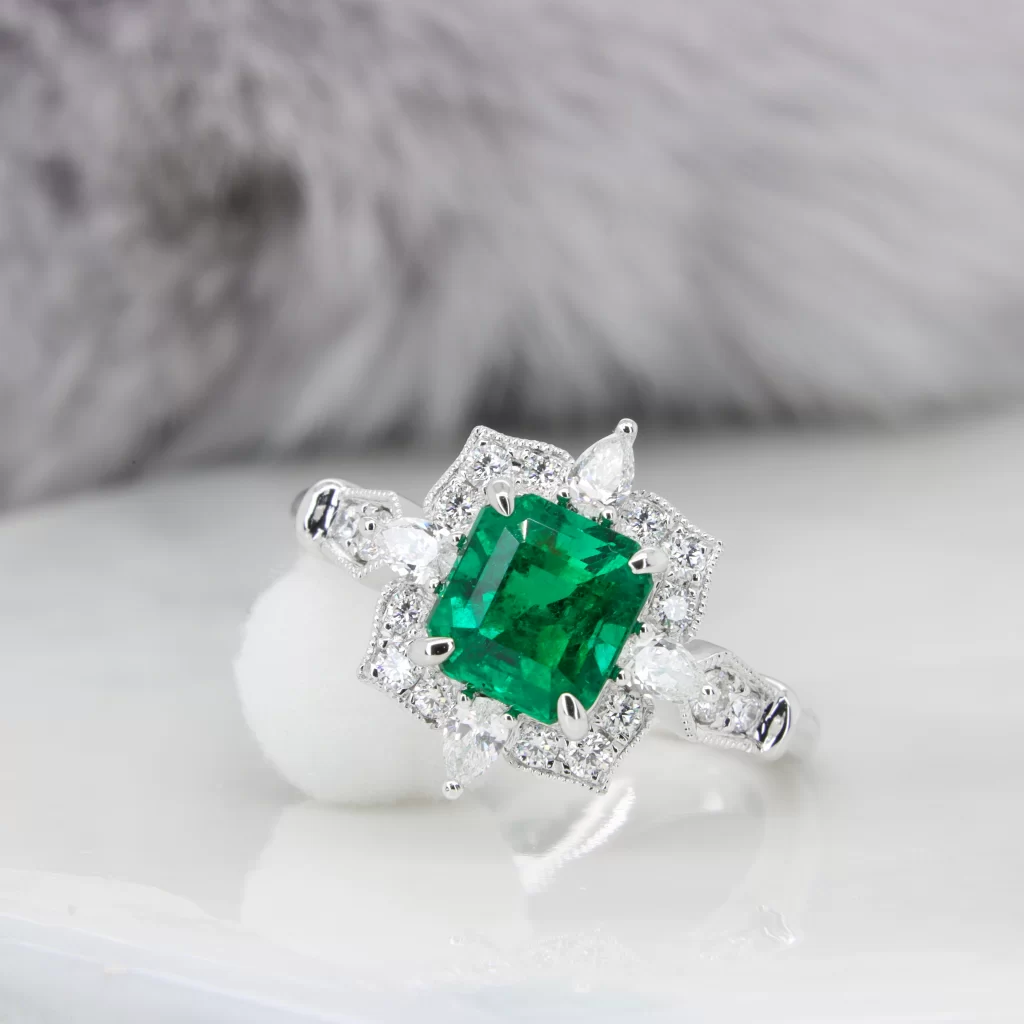
Muzo Emerald: The Green Standard
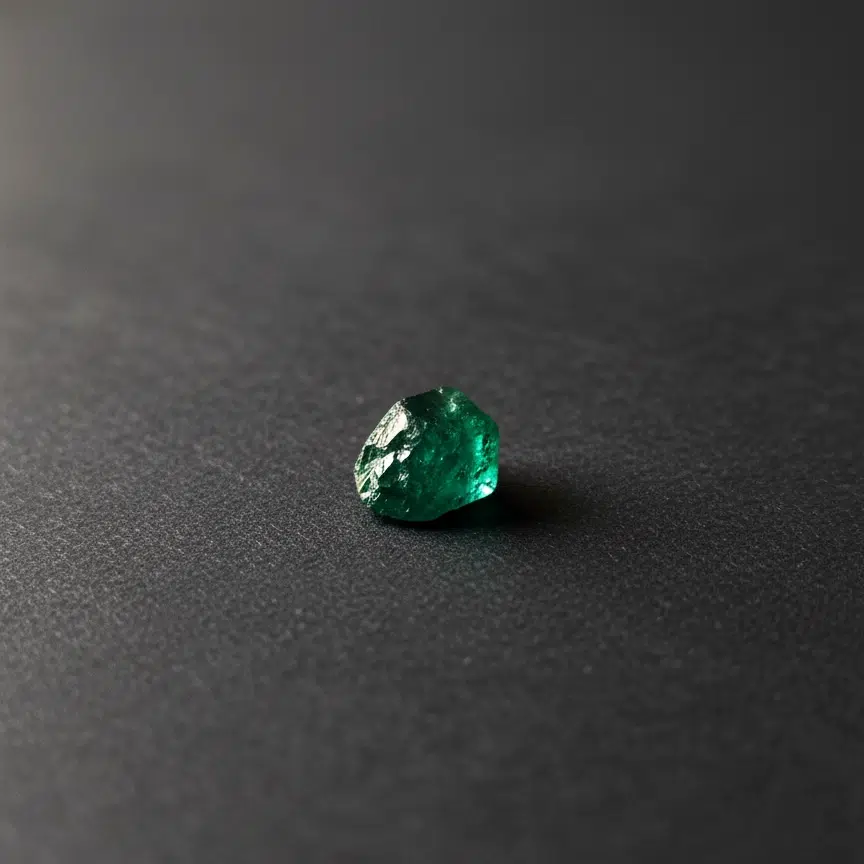
A fine Muzo Emerald shows a rich, warm green that seems to glow from within, and in our view no other gemstone quite matches it. It is the green you see in the finest high-jewellery pieces, and it comes from the Muzo mines in Colombia.
Muzo emeralds have been prized for centuries, from Spanish colonial treasure to modern high jewellery. Only a small share of the mine’s output reaches top quality, and that scarcity is what gives the name its prestige.
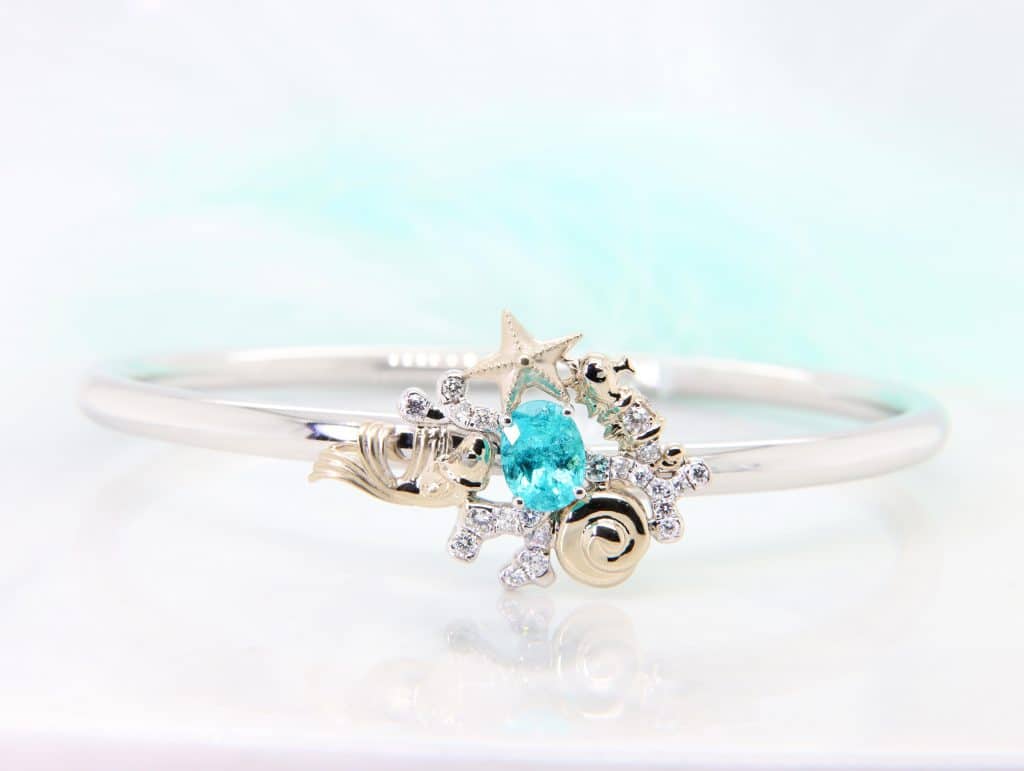
Paraiba Tourmaline: The Electric Neon Wonder
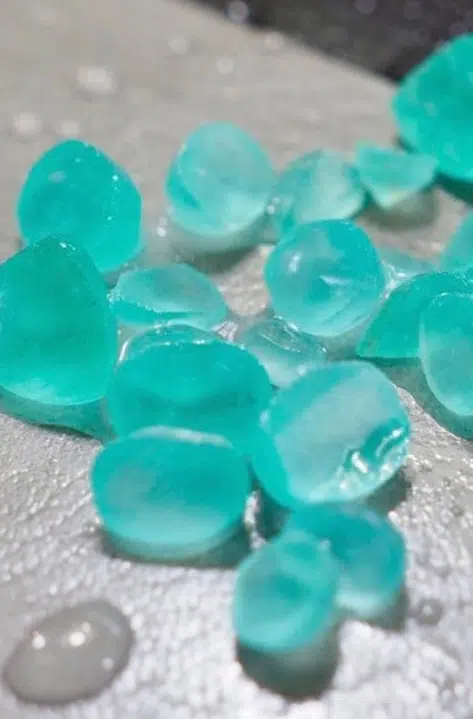
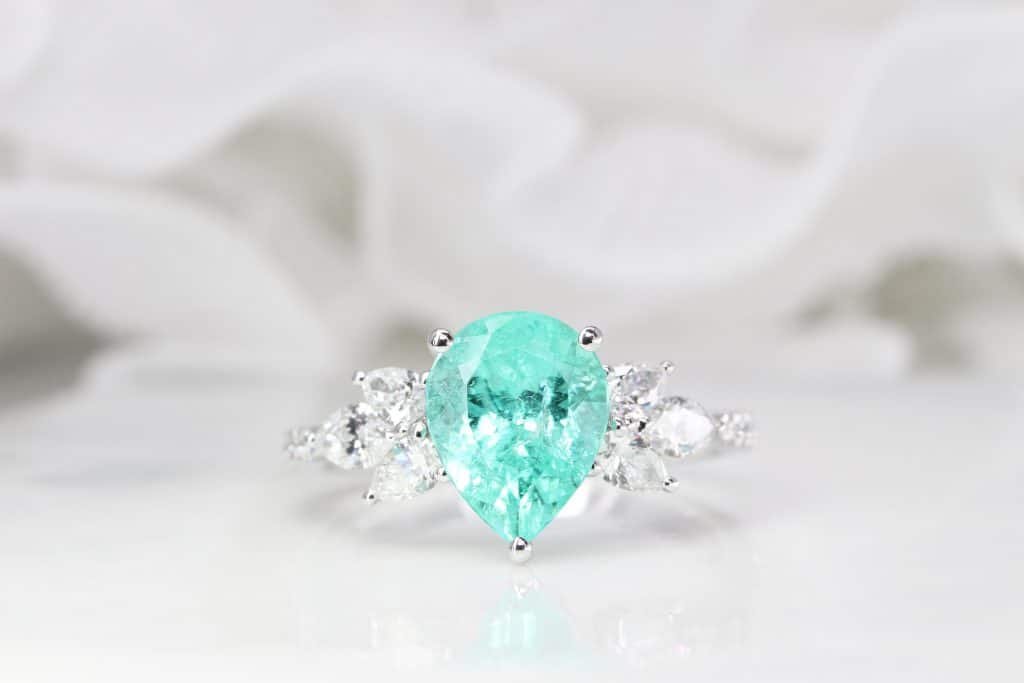
First found in Brazil in the late 1980s, Paraiba tourmaline quickly became one of the most prized gems in the tourmaline family. Its glowing neon blue to green comes from copper, and it can stop anyone in their tracks. Fine Brazilian stones have become very hard to find, and prices have risen with that scarcity.
Fine Brazilian Paraiba can cost more per carat than many diamonds of the same size. For buyers, the practical impact is that Mozambique Paraiba, often larger and cleaner, now offers the same neon glow at a lower price per carat, while Brazilian stones remain the benchmark.
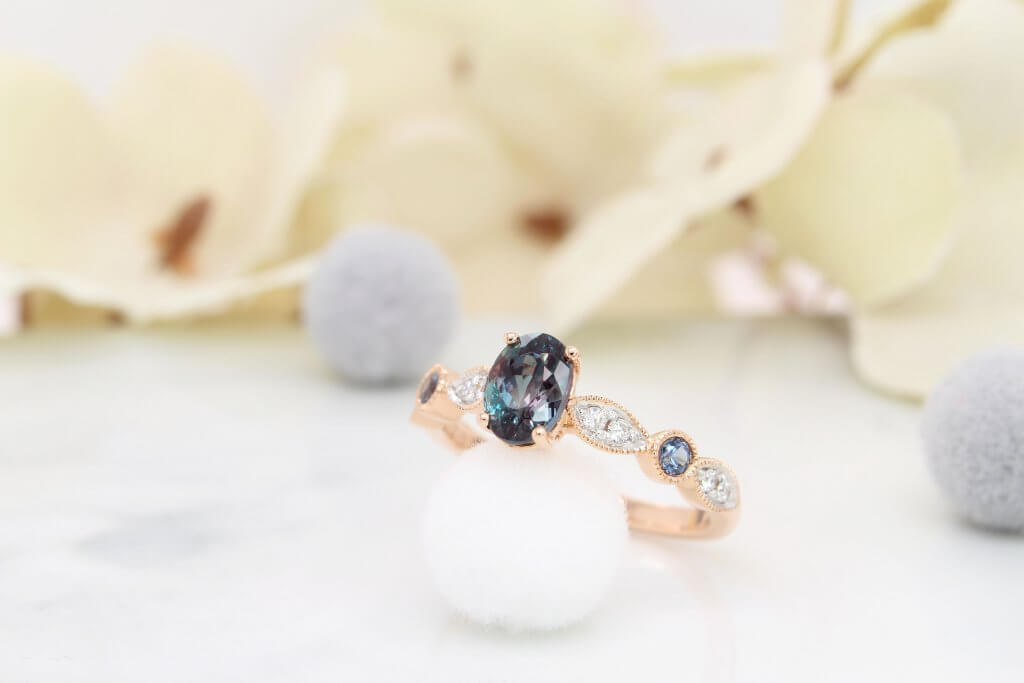
Alexandrite: The Colour-Change Phenomenon
If you are drawn to a gemstone that changes with the light, Alexandrite deserves a close look. Famous for its remarkable colour-changing properties, Alexandrite is often described as “emerald by day, ruby by night.” Under natural daylight, it appears as a bluish-green stone, but under incandescent light, it shifts to a purplish-red hue, making it one of the most fascinating gems available.
Alexandrite is a rare variety of chrysoberyl and is found in only a handful of locations worldwide, making high-quality specimens extraordinarily hard to come by. The colour change phenomenon, combined with its rarity, makes Alexandrite a favourite among serious collectors looking for something truly unusual.
Each of these rare gemstones, royal blue sapphire, pigeon blood ruby, Muzo emerald, Paraiba tourmaline and colour change alexandrite, offers something extraordinary to collectors and gemstone enthusiasts alike. Their rarity, combined with their stunning colours and unique characteristics, makes them highly sought after. Whether you are planning an heirloom or simply captivated by their colour, each one rewards a closer look.
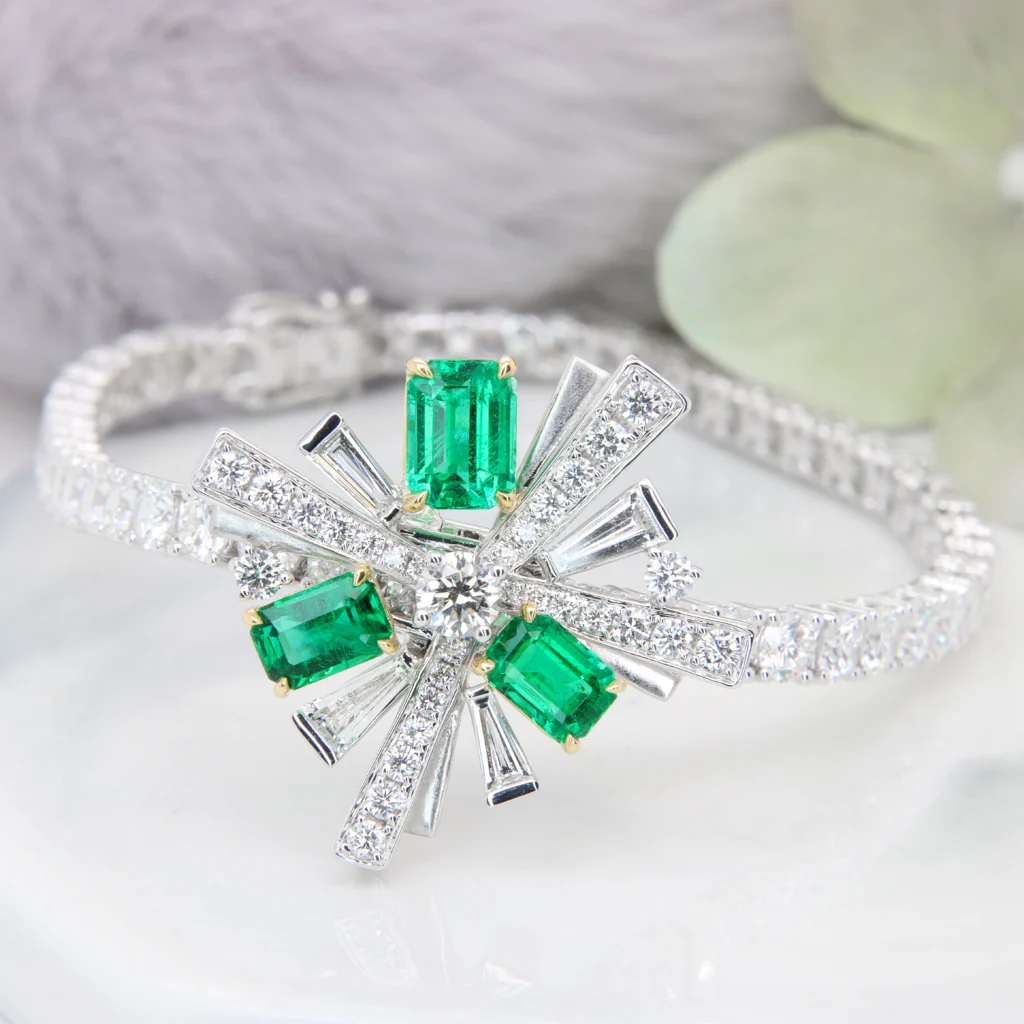
Choosing a rare gemstone as an heirloom takes careful thought about several factors, such as price point, hardness, durability and appearance. A beautiful stone that is too soft for daily wear, such as sphene or opal, will not last as an heirloom ring. Kashmir sapphire is among the rarest of all, but fine stones now appear almost only at major auctions, at prices beyond most jewellery budgets, so for most clients a fine unheated sapphire from another origin is the practical choice.
We are happy to walk you through these factors in person, so the stone you choose is one you will enjoy for years.
At GIOIA Fine Jewellery, sourcing is the slowest part of what we do. Clarence Yee, our co-founder and gemstone specialist, examines every stone in person, under magnification and in daylight, and turns most of them away. We work only with natural gemstones, and every centre stone comes with an independent laboratory report.

Market Trends: Diamonds vs. Coloured Gemstones
Do Rare Gemstone Prices Rise Over Time?
To understand what drives the price of rare gemstones, it helps to look at how the diamond and coloured gemstone industries differ.
The Natural Diamond Industry
- Market Size: Market research firm Fortune Business Insights valued the global diamond market at about USD 102 billion in 2025 and projects around USD 153 billion by 2034. (Source) Prices on the ground have moved the other way: Rapaport reported that its index for 1-carat natural diamonds fell about 20% in 2023 alone, and by September 2026 diamond prices were at record lows as lab-grown stones became common.
- Key Players: The diamond industry is primarily dominated by a few major companies, including De Beers, Alrosa, and Rio Tinto, which control much of the global diamond supply and play a significant role in setting industry prices.
The Natural Coloured Gemstone Industry
- Market Size: Estimates vary widely. One recent report valued the coloured gemstone market at about USD 24 billion in 2025, rising to around USD 38 billion by 2034. (Source) Others put it far lower, and either way it remains much smaller than the diamond market.
- Consumer Spending: While diamonds continue to be heavily marketed as symbols of luxury and commitment, coloured gemstones are increasingly seen as unique, personalised heirloom jewellery. This market is still more fragmented and less influenced by mass marketing compared to diamonds.
- Key Players: The coloured gemstone sector is not as centralised as the diamond industry. It involves a wide range of smaller miners, traders, and international jewellers. However, major companies like Gemfields and Fura Gems are playing a more prominent role, bringing more structure to how rough is mined and sold.
Key Differences Between the Two Industries
- Market Size: The diamond industry is much larger than coloured gemstones, and far more is spent on diamonds than on coloured stones. Diamonds are a staple of fine jewellery, particularly in engagement rings, and are marketed heavily across the globe.
- Consumer Perception: While diamonds are traditionally marketed as symbols of love and commitment, coloured gemstones are becoming more appealing due to their rarity and uniqueness. Many consumers are drawn to coloured gemstones for their vivid hues and individualised nature.
A Shift Toward Coloured Gemstones: What It Means for Prices
Historically, the diamond market has overshadowed coloured gemstones, but consumer preferences are starting to shift. As buyers look for more distinct, one-of-a-kind pieces, rare coloured gemstones are gaining attention, and we expect interest in fine coloured stones to keep growing.
Put side by side, the two markets tell a clear story. The coloured gemstone market is roughly a quarter of the size of the diamond market, yet it is forecast to grow faster, at about 5.3% a year against about 4.6% for diamonds. At the same time, natural diamond prices have fallen, while in our experience the finest coloured stones, especially unheated sapphire, ruby, Muzo emerald and Paraiba, have held up and become harder to find.
The growing interest in coloured gemstones reflects a broader change in consumer behaviour. In our experience, the finest rare gemstones have tended to rise in price as demand grows. No one can predict future prices, though, so we always suggest choosing a stone for its beauty first.
This shift is most evident in modern romance. Today, couples are increasingly bypassing commercial white diamonds and choosing fine coloured gemstones to design a customised engagement ring in Singapore. A rare Muzo Emerald or an unheated Royal Blue Sapphire makes a proposal ring that is genuinely one of a kind, and one that can be passed down for generations.